Dermabrasion2026-05-05T12:19:57-07:00

SCAR HEALING & ACNE SCAR TREATMENT PROCEDURES

Dermabrasion in Los Angeles

Discover how dermabrasion refines your skin’s surface, revealing a smoother, more radiant you

If you are exploring ways to rejuvenate your skin, you may have come across dermabrasion—a technique that sands away the outer layers of skin. This guide delves into what dermabrasion entails, who it is best for, and what considerations you should take into account to achieve smoother skin.

Key Takeaways on Dermabrasion Treatments

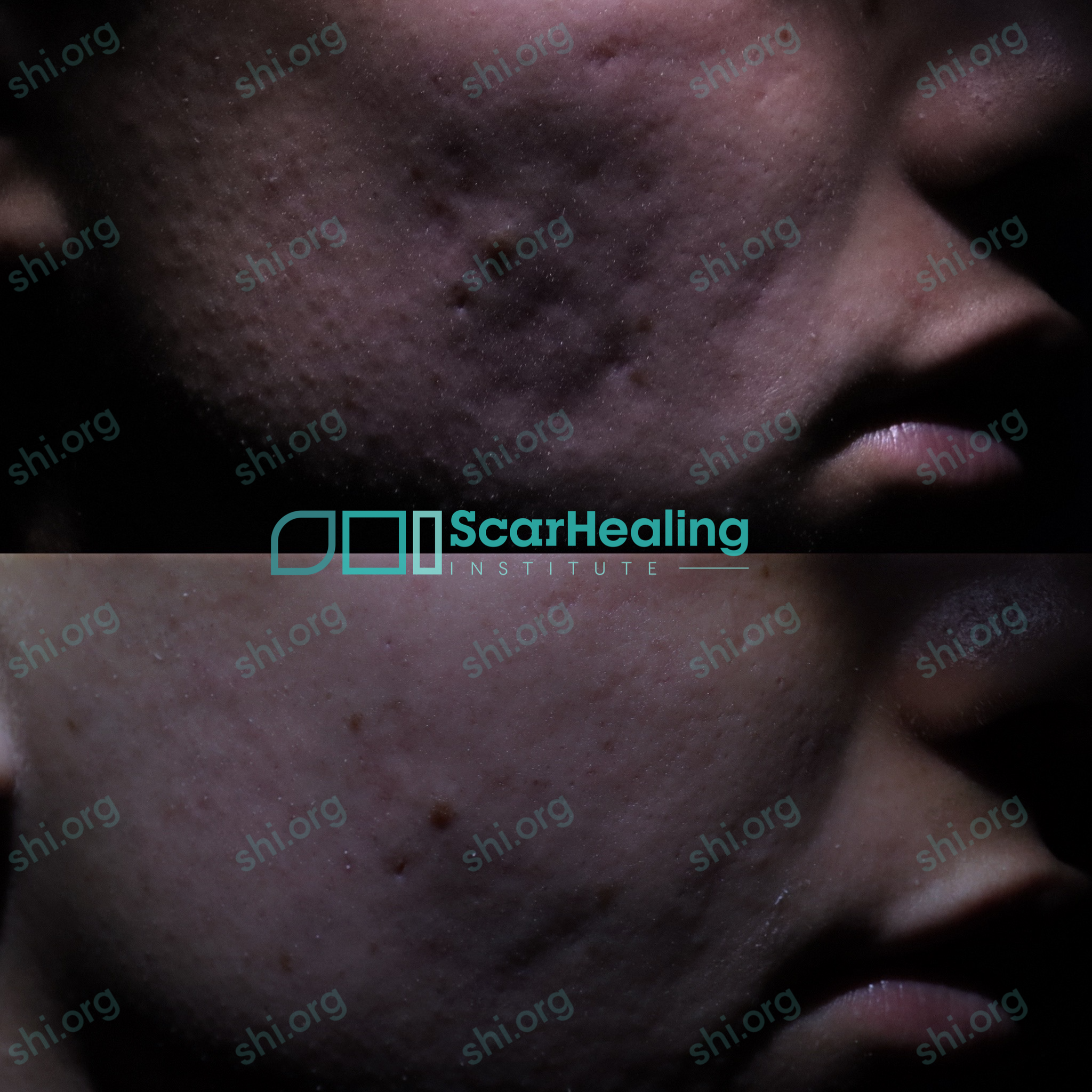
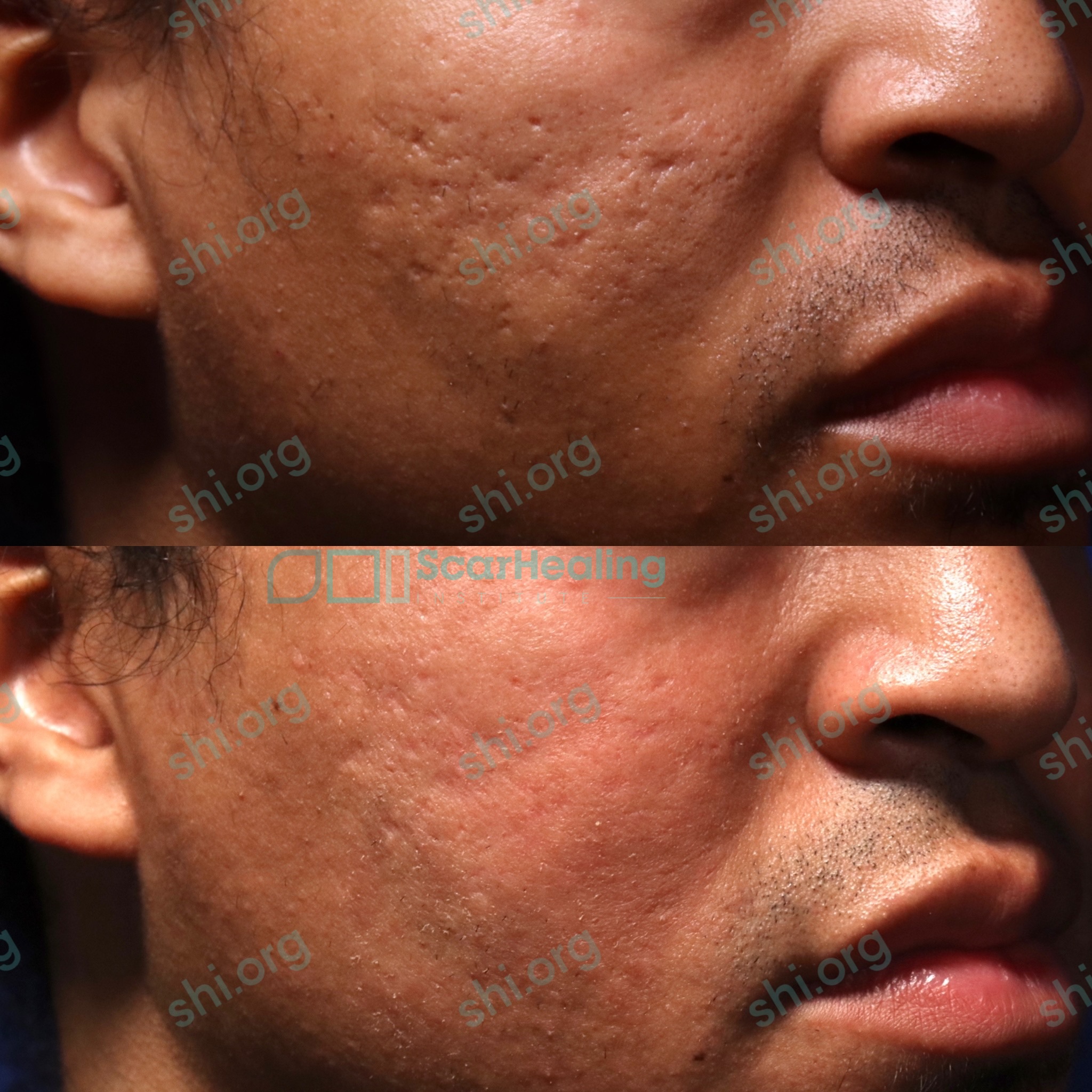
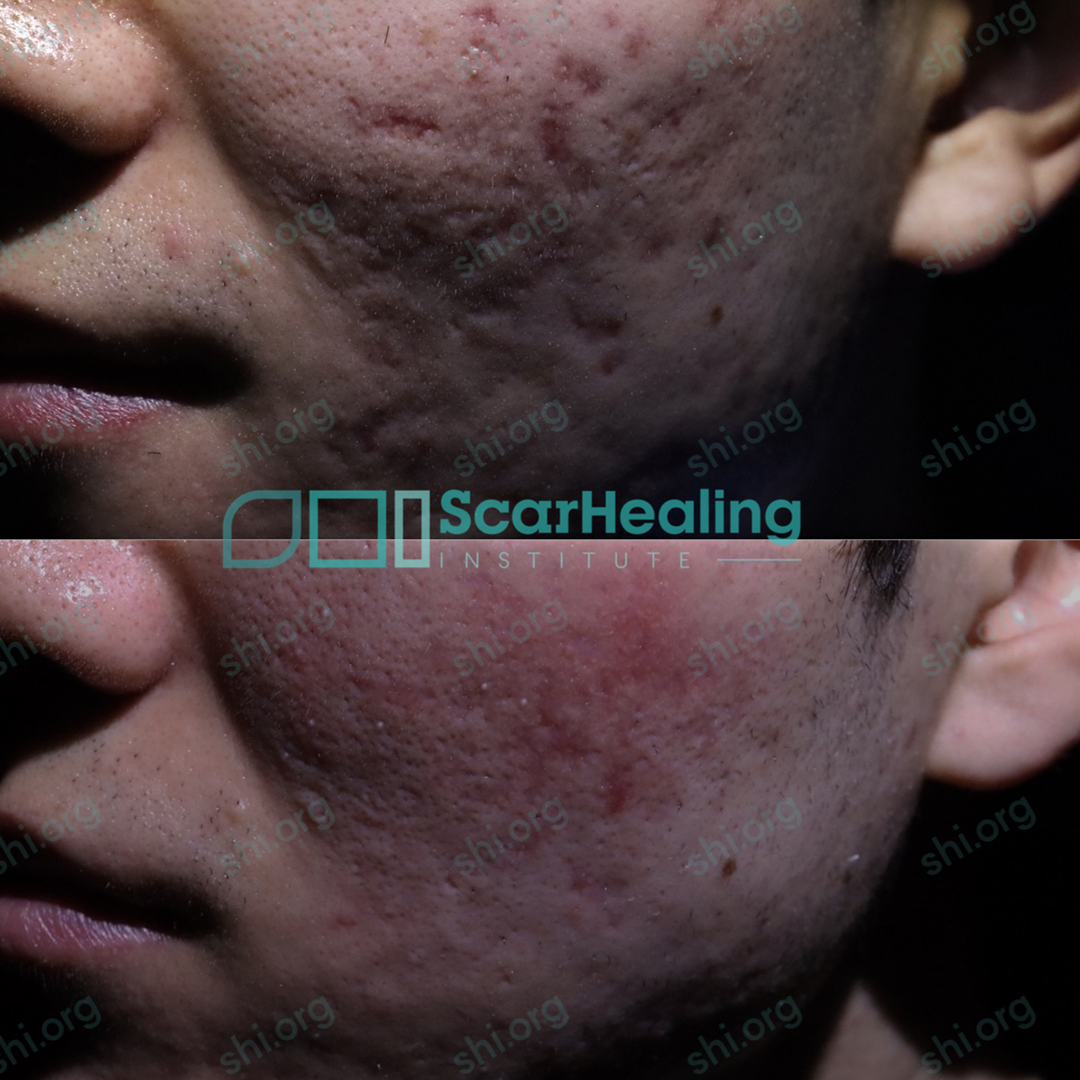
  • Dermabrasion is a skin-resurfacing surgical procedure that mechanically removes damaged skin layers to improve texture and appearance, often treating acne scars.

  • The procedure involves a significant recovery period and you must consult with a skilled physician, as it carries risks such as scarring or skin color changes, especially for patients with darker skin tones or a history of conditions impacting healing.

  • There are several alternatives to dermabrasion including microdermabrasion, dermaplaning, chemical peels, and laser resurfacing, each varying in invasiveness, cost, recovery time, and suitability for different skin types and issues.

Understanding Dermabrasion

Dermabrasion is a mechanical exfoliating technique that removes the outer layers of skin to improve its appearance and treat various skin conditions. This procedure is carried out using a rotating instrument, traditionally a wire brush or diamond fraise mounted on a rotary hand engine. It is a highly controlled surgical scraping technique that, when performed by a skilled dermatologic surgeon, can yield significant cosmetic improvements.

Over the years, this cosmetic procedure has been used to treat:

  • deep acne scars
  • facial scars
  • sun damage
  • other skin irregularities

It’s a powerful tool for a dermatologic surgeon, and when performed effectively, the results can be transformative, providing a newfound sense of confidence and self-esteem to those who have been dealing with skin issues.

Factors to Consider Before Choosing Dermabrasion

Before deciding to undergo dermabrasion, it’s important to consider several factors:

  • Dermabrasion is an invasive procedure that carries substantial risks of adverse consequences.
  • Therefore, a consultation with an experienced dermatologist is crucial.
  • The treatment parameters and selection vary depending on your skin type, the area to be treated, and your medical history.

Certain medical conditions can also influence the suitability of dermabrasion. For example, patients with a history of impetigo require additional prophylactic antibiotics, and those with a history of cold sores should notify their physician as the condition can flare up after dermabrasion. Dermabrasion may not be suitable for individuals who have:

  • taken isotretinoin for acne in the past year
  • a personal history of keloids or burn scars
  • active acne
  • frequent cold sores
  • radiation-damaged skin

Suitability for Different Skin Types

When it comes to the suitability of dermabrasion, not all skin types are created equal. Individuals with fair skin can achieve good results with dermabrasion. This treatment is known for its effectiveness in addressing various skin concerns. This is because fair skin tends to heal more evenly, reducing the risk of color changes that can occur after dermabrasion.

On the other hand, individuals with darker skin are more likely to experience undesirable changes and contrasts in skin color post-dermabrasion. Furthermore, individuals with a personal or family history of keloids may not be suitable candidates for dermabrasion. The same applies to people with active acne or pus-filled skin conditions, and those who tend to develop allergic skin rashes or other skin reactions.

Therefore, a thorough evaluation of your skin type and medical history is essential in determining whether dermabrasion is the right choice for you.

Pre-Procedure Preparation for Dermabrasion

Before dermabrasion, patients are advised to:

  • Stop taking certain medications, such as aspirin and blood thinners, which may affect the healing process
  • Quit smoking for 2 weeks before and after the procedure to improve blood flow and healing
  • Take an antiviral medication before and after treatment to prevent viral infections
  • Take an oral antibiotic if there is a risk of bacterial infection

Use of a lightening agent, such as hydroquinone, for a few weeks before the procedure may also be suggested to help with healing. Moreover, patients should avoid unprotected sun exposure before the procedure to prevent permanent irregular pigmentation in treated areas. All these preparations are designed to enhance the effectiveness of the procedure and minimize potential complications.

The Dermabrasion Procedure: What to Expect

Knowing what to expect can help alleviate any anxiety and prepare you for the journey ahead. Dermabrasion, being an aggressive skin resurfacing procedure, requires anesthesia. The duration of the procedure can range from a few minutes to several hours, depending on the surface area of the treatment site.

Before Your Appointment

Before the dermabrasion procedure, patients should take an antibiotic and stop using all retinols or harsh chemicals three days beforehand. Removal of makeup and shaving (if necessary) a day before the procedure also helps ensure clarity in the treatment areas.

Day of Your Appointment

On the day of your appointment, we will take professional photos to monitor your progress.

Anesthesia plays a crucial role in ensuring your comfort during the dermabrasion procedure. To ensure patient comfort, local anesthesia is administered to numb the treatment area. This could involve infiltrative and/or a large volume of tumescent anesthesia to make the tissue turgid, enhancing the procedure’s safety. Depending on the extent of the treatment, it may also be accompanied by a sedative, receive intravenous sedation, or undergo regional nerve block injections for enhanced comfort during the procedure. The most appropriate anesthesia or sedation method for you will be determined based on individual factors and the specifics of the treatment plan.

It’s important to note that patients who are administered sedation or general anesthesia will need to arrange for a ride home after the procedure, as they will not be able to drive themselves.

Step-by-Step Procedure

Once the anesthesia has taken effect, the dermabrasion procedure begins. The skin is first thoroughly cleansed with an antiseptic cleansing agent to minimize the risk of infection. The area to be abraded is then carefully marked with a surgical marker.

A motorized device equipped with an abrasive wheel is meticulously moved across the skin to uniformly remove the outer layers or manually sculpt away regions of undesirable scar texture. The duration of the procedure can vary significantly, from a few minutes to over an hour, depending on the size of the treated area, with some cases requiring multiple sessions to address deep scars or extensive areas. The surgeon continues the dermabrasion technique until a depth is reached where scars and wrinkles are sufficiently minimized without compromising skin safety.

The procedure concludes with the surgeon applying ointments and sterile dressings to assist with the post-procedure skin recovery process.

Post-Dermabrasion Recovery and Care

Following dermabrasion, keeping the treated area clean and moisturized will be essential to optimal recovery. Vinegar soaks can be used to remove crusting and scabbing in a gentle, sterile manner. This is usually followed by an occlusive ointment or post-procedure cream to maintain a moist healing environment.

Using cool compresses wisely can help manage discomfort and swelling. It is also recommended to:

  • Sleep with the head elevated to aid the recovery process
  • Maintain a healthy diet
  • Avoid smoking and alcohol
  • Ensure sufficient physical activity to prevent blood clot formation

These measures are critical during the recovery period.

In the long term, protective cosmetics may be used after the initial crusting has healed. Patience is key during the healing process. It typically takes up to 3 months for the pinkness in the skin to fade post-dermabrasion.

Short-Term Recovery

In the immediate aftermath of the procedure, patients may experience slight swelling and redness, which typically fade within a few hours. As the skin heals, there will be a formation of a scab or crust, and the new skin may feel itchy, with sensitivity and blotchiness lasting several weeks.

Care involves:

  • Keeping the treated area protected with a moist dressing
  • Cleansing gently and regularly to prevent bleeding
  • Performing regular vinegar soaks
  • Applying prescribed ointment to maintain the skin moist and support healing

Pain medication may be prescribed for discomfort, but NSAIDs such as Advil are not recommended during the first week, to prevent aggravation of bleeding and bruising.

Sun protection is absolutely essential during the initial healing process, especially for individuals with darker skin tones, as it helps prevent skin discoloration.

Long-Term Recovery

Long-term skin care after dermabrasion includes vigilant sun protection and adherence to any additional skin care instructions to prevent pigmentation irregularities. Using sunscreen is an essential part of the skin care routine after dermabrasion to aid in healing and protect from sun exposure.

After dermabrasion, patients are advised to:

  • Avoid chlorinated swimming pools for at least four weeks
  • Refrain from active sports, particularly those involving a ball, for four to six weeks
  • Resuming exercise routines should include measures to protect the skin from sunlight and avoidance of strenuous activities, bending, or lifting during the initial recovery weeks.

Patients may experience facial flushing when consuming alcohol, and this can persist for 3-4 weeks following the dermabrasion procedure. It’s important to note that it can take 6-12 months for skin pigmentation to completely return after undergoing dermabrasion.

Potential Complications & Risks

As with any cosmetic procedure, dermabrasion carries certain risks and potential complications. Some of these include:

  • Permanent hyperpigmentation (darkening) or hypopigmentation (lightening) of the skin, particularly common in individuals with brown or black skin tones
  • Delayed re-epithelialization
  • Hypertrophic scarring, which has been reported in patients undergoing dermabrasion during or after isotretinoin therapy

It is important to discuss these risks with your dermatologist before undergoing the procedure.

Some patients with a history of keloids or koebernizing conditions such as psoriasis, lichen planus, or pyoderma gangrenosum may need a test spot of dermabrasion before undergoing the full procedure. Immunosuppressed individuals, patients with viral hepatitis or HIV infections may experience delayed wound healing and an increased risk of postoperative infection. Individuals who experience frequent or severe outbreaks of cold sores or have burn scars or skin damaged by radiation treatments should consider the increased risks of complications from dermabrasion.

Dermabrasion may also cause pores to appear larger, which could be an aesthetic concern for some patients.

Preventing Complications

Preventing complications from dermabrasion involves taking several proactive steps. Consulting with a knowledgeable expert who can thoroughly consider your medical history prior to recommending dermabrasion is the best way to prevent complications. Avoiding the acne medication isotretinoin for at least a year before undergoing dermabrasion can prevent potential complications.

To ensure proper healing and prevent complications after dermabrasion, it is important to follow these guidelines:

  1. Protect your skin from direct sun exposure.
  2. Use at least SPF 30 sunscreen daily for a minimum of one year post-dermabrasion.
  3. Quit smoking to promote healing and avoid poorly healed skin or irregular scarring.
  4. Schedule and attend a follow-up appointment for professional examination of the skin and appropriate dressing changes.

Following these guidelines will help prevent pigmentation irregularities, skin injury, and other complications.

Managing Side Effects

After undergoing dermabrasion, patients may experience some side effects that can be effectively managed with the right approach. Slight swelling and redness post-treatment are common, but these typically fade within a few hours. Small white bumps known as milia might appear on treated skin. These usually resolve on their own without intervention, or they can be managed with medical-grade extraction.

Our Proprietary Acne Scar Treatments

Meet The Acne Scar Phase-Out System

Our proprietary phase system is specifically designed to attack acne scars from all angles: chemical reconstruction from the top-down and physical reconstruction from the bottom-up and from the side. We pride ourselves in our meticulous, personalized, and longitudinal approach to treating your scars.

SHI Scar Phase Out System
SHI Scar Phase Out System Mobile On The Go

Skin Acne Treatments & Procedures

While our proprietary phase system is highly customizable and flexible for patients, we recognize that patients may benefit from other procedures as well. Explore these treatment options below and see if they may be right for you!

Acne Scar Phase-Out System

Our personalized acne scar treatment program reduces scarring using chemical peels, collagen-stimulating fillers, and laser technology.

Scar Revision

Advanced treatments like subcision, laser therapy, and collagen injections work together to the appearance of scars and rejuvenate skin.

Advanced Skincare

Find out about one of our many advanced skincare procedures to help alleviate any type of skin issues

Punch Excision

A quick and painless procedure to treat your ice pick scars with minimal downtime.

Laser Treatment

A personalized chemical formulation to melt your acne scars and rejuvenate healthy skin.

Steroid Injections

Steroid and/or peptide injections to calm your active acne before starting scar treatment.

How Can I Prevent Future Scarring from Happening?

Scarring is more common with poorly resolved cystic or nodular acne. In addition, it has an even greater likelihood of occurring when irritated or squeezed. Therefore, the first step to prevent scarring is to simply leave your acne lesions alone. It is difficult at first, but is worth the patience at the end.

At the same time, it is also important to ensure that your acne lesions do not become over-inflamed. The prolonged inflammation of your active acne will also increase scarring. Steroid injections, notably kenalog injections, are highly effective in quelling inflammation of your acne and thereby limit scarring.

How Do I Know What Type of Acne Scar I Have?

Our specialists at Scar Healing Institute can help identify your acne scar or scarring. We will work with you to create a plan that will help you achieve both mental and physical healing. Find out more!

If you are concerned that you may have acne scars, it is important to consult with a dermatologist or other skin care professional. Our dermatologists will be able to assess your skin and determine if you have any scarring.

Summary

In conclusion, dermabrasion is a highly effective and versatile procedure for treating a variety of skin issues. While it does require careful consideration and preparation, the results can be truly transformative, leading to improved skin texture and a renewed sense of self-confidence. As with any cosmetic procedure, it’s important to consult with a knowledgeable and experienced dermatologist who can guide you through the process and ensure the best possible results. Remember, your skin is a reflection of you, and it deserves the best care possible.

Dermabrasion FAQs

Can dermabrasion remove scars?2024-06-07T03:06:59-07:00

Yes, dermabrasion can effectively remove scars caused by acne, surgery, injuries, and fine wrinkles, as well as improve the appearance of sun-damaged skin. It may not be as effective for burn scars, especially those that extend to depths beyond the mid-reticular dermis.

Is dermabrasion better than microdermabrasion?2024-06-07T03:06:22-07:00

Both procedures have their unique benefits and drawbacks. Traditional dermabrasion is better than microdermabrasion for significantly reducing wrinkles or scars, but it causes increased bleeding and requires extensive downtime compared to microdermabrasion, which does not require any downtime.

How long do dermabrasion results last?2024-06-07T03:06:03-07:00

In general, dermabrasion results for scars can last for several years, but they are not entirely permanent. The visible improvement of scars can be long-lasting, especially with good skin care and sun protection. However, the exact duration varies by individual, and some may require additional treatments in the future. Treatment longevity varies based on individual factors like age and treatment response.

Is dermabrasion painful?2024-06-07T03:05:44-07:00

Dermabrasion is usually not painful during the procedure as your skin will be numbed, but you may experience some discomfort afterwards, similar to a bad sunburn, which can be managed with medication.

Why is dermabrasion no longer performed?2024-06-07T03:05:27-07:00

Dermabrasion is no longer performed at many offices because it requires a high level of operator knowledge and confidence. Advances in other exfoliation treatments, such as laser resurfacing or chemical peels, have surpassed dermabrasion in terms of safety and ease of administration. As a result, the procedure is becoming less popular among practitioners and patients alike. Still, it is a valuable technique when significant abrasion is necessary, as is often the case with deep acne scars.

Follow-Up Treatments

For those who seek to boost their confidence by revising their scars, our team of top-rated terms in California, USA are ready to help you reach this goal.

Concierge Skin

Our goal, however, goes beyond just treating your skin. We are committed to learning your story and helping you move on to the next chapter in your life.

Scar Healing Pattern

Our Treatments Create Results

We are specifically known to be not only the top doctors for subcision scar treatment in California but also the leading experts in the best scar treatment clinic in California.

SCAR HEALING & MANAGEMENT CENTER LOS ANGELES

Finding a team that understands your skin, and your body is key.

Finding a team that understands your skin, and your body is key.

With our guidance, medical expertise, and compassion, our goal is to help you reclaim the skin and confidence you deserve.

Go to Top