Ready To Leave Your Scars in The Past?
Scars from your past don’t have to define who you are today. With scar revision in Beverly Hills, we’ll help you move forward with smooth, renewed skin that finally feels like yours again.
Scar revision can improve the texture, color, and appearance of scars using surgical and non-surgical techniques, depending on your needs. By treating the surface and deeper layers of the skin, it can significantly reduce visible scarring and restore smoother, more even skin.
At Scar Healing Institute, you can expect:
- Science-backed treatments paired with expert scar care.
- All the experience of fellowship-trained Mohs surgeon Dr. Salar Hazany.
- Regenerative techniques that repair tissue at its foundation.
- Reduced scar visibility that will help you feel at home in your body again.
You deserve a fresh start. Book your consultation today.
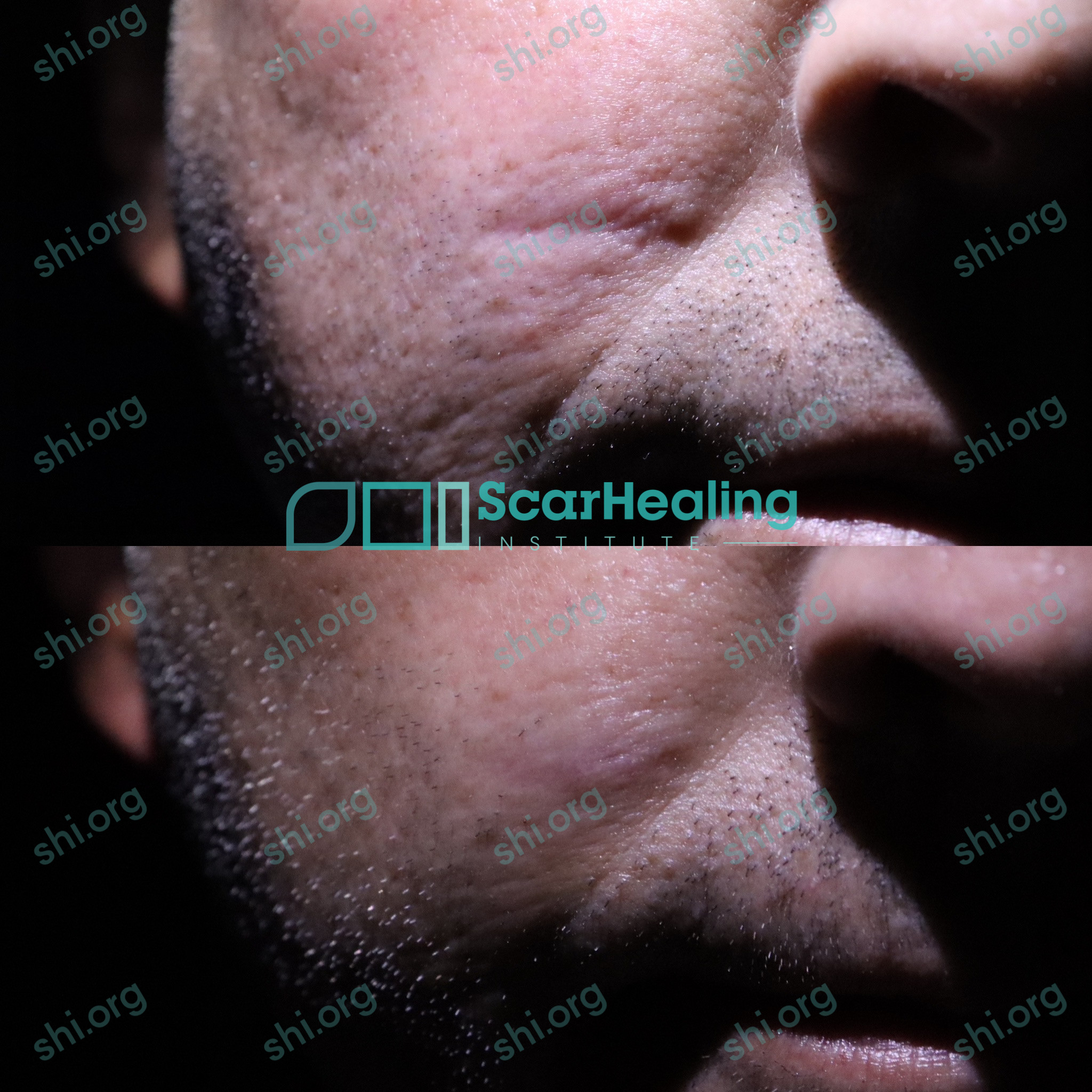
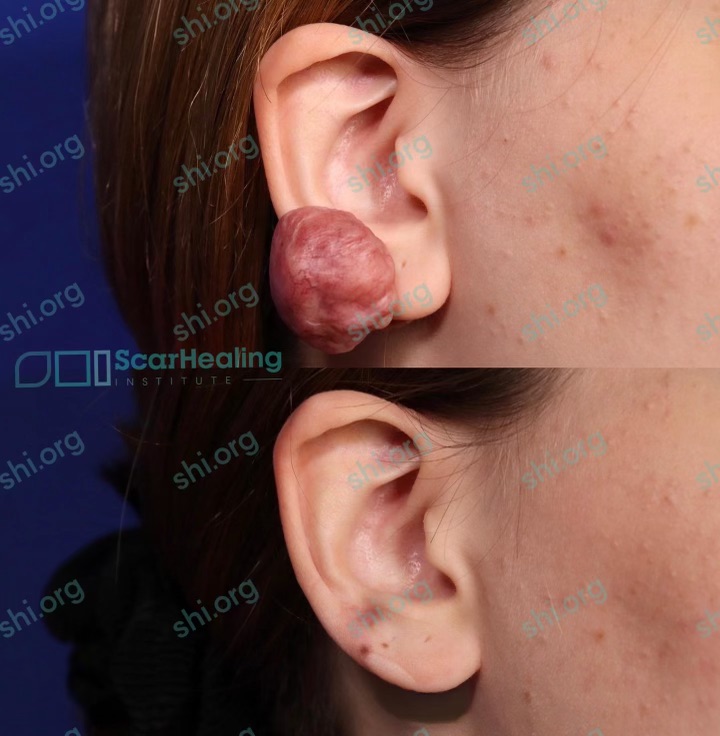
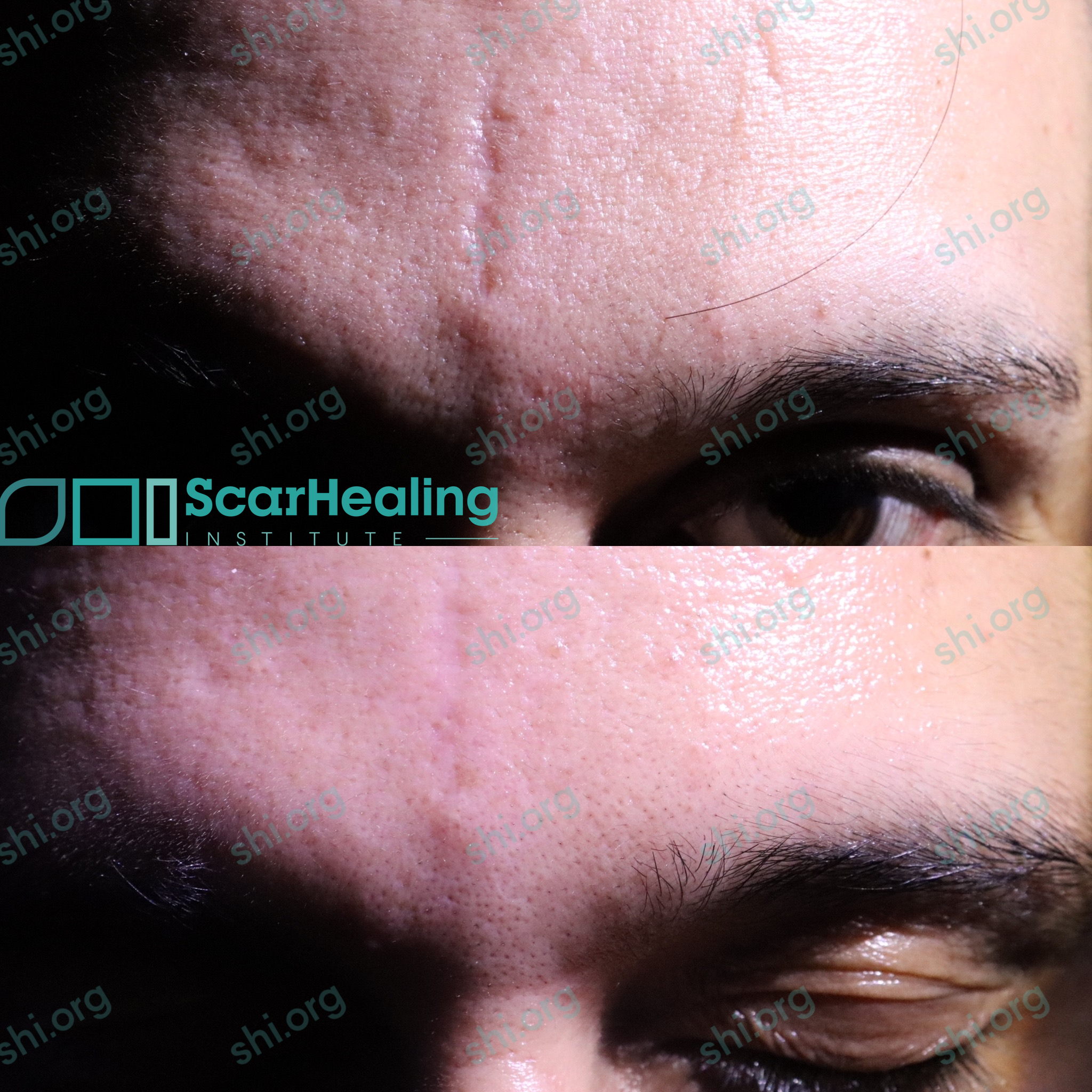
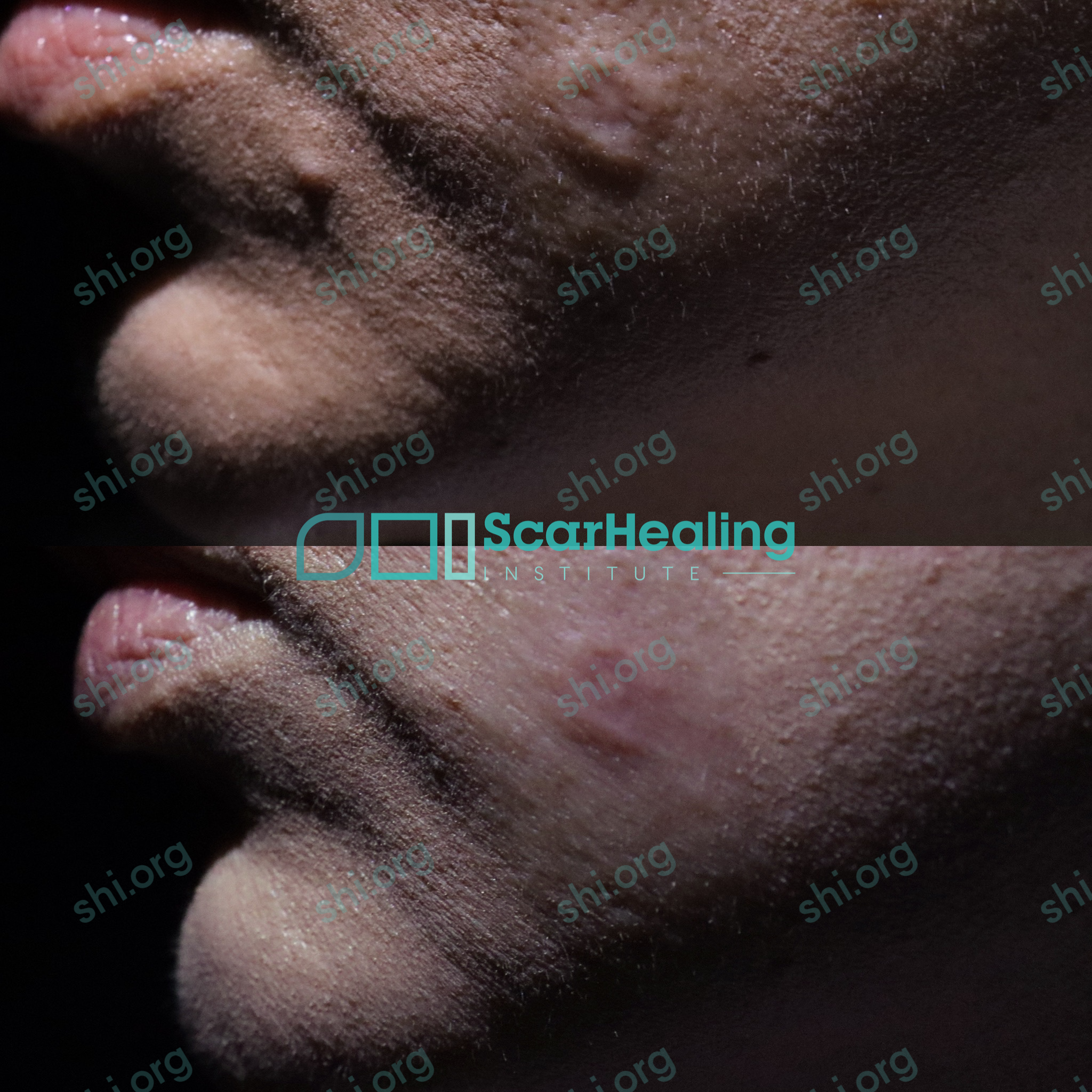
Hear From Our Patients

From Acne to Accidents, We Treat All Scar Types
No matter your type of scar, we target the structure beneath the skin to create a smoother, more even texture. We commonly treat the following types of scars:
Our Nationally Recognized Scar Treatments
Every scar heals differently, so we adjust your treatment plan to restore your skin’s smoothness and natural balance. The best treatment depends on the type, location, and severity of your scar.
We may recommend any of the following treatments:
Complex, Surgical Scar Removal
For larger or more complex scars, surgical correction can restore smoother, more natural contours:
- Z-Plasty: Repositions skin flaps to break up the linear look of scars and relieve tightness.
- Scar Excision: Removes thick or raised scar tissue, replacing it with a thinner, less visible scar.
- Dermal Grafting: Uses a small piece of healthy skin to fill in areas of missing tissue, restoring evenness and flexibility.

What To Expect After Scar Revision
With the right post-treatment care, you can help your skin recover smoothly for results that last.
Here’s what we recommend during your healing timeline:
- Keep the treated area clean and dry for the first 48 hours.
- Avoid direct sun exposure and apply broad-spectrum sunscreen daily.
- Refrain from picking or scratching any scabs as your skin heals.
- Use only the post-treatment products recommended by your provider.
- Stay hydrated and eat a nutrient-rich diet to support healing.
- Avoid strenuous exercise or anything that causes excessive sweating for several days post-treatment.
- Attend all follow-up appointments to monitor your progress and ensure the best results.