Reveal Healthier-Looking Skin Beneath Your Scars
No more hiding your scars with makeup or avoiding photos. Dermabrasion in Los Angeles can reduce visible scarring and reveal the smoother, more even-toned skin you’ve always wanted.
At the Scar Healing Institute, your treatment is led by Dr. Salar Hazany, a board-certified dermatologist whose expertise in scar revision attracts patients from across California
With 3,000+ patients safely treated, a 4.9/5 Google rating, and scar care for all skin tones, we plan your treatment based on your goals and scar type, helping you leave scars in the past and feel confident in your skin again.
Ready to reveal your smoothest, most radiant skin?
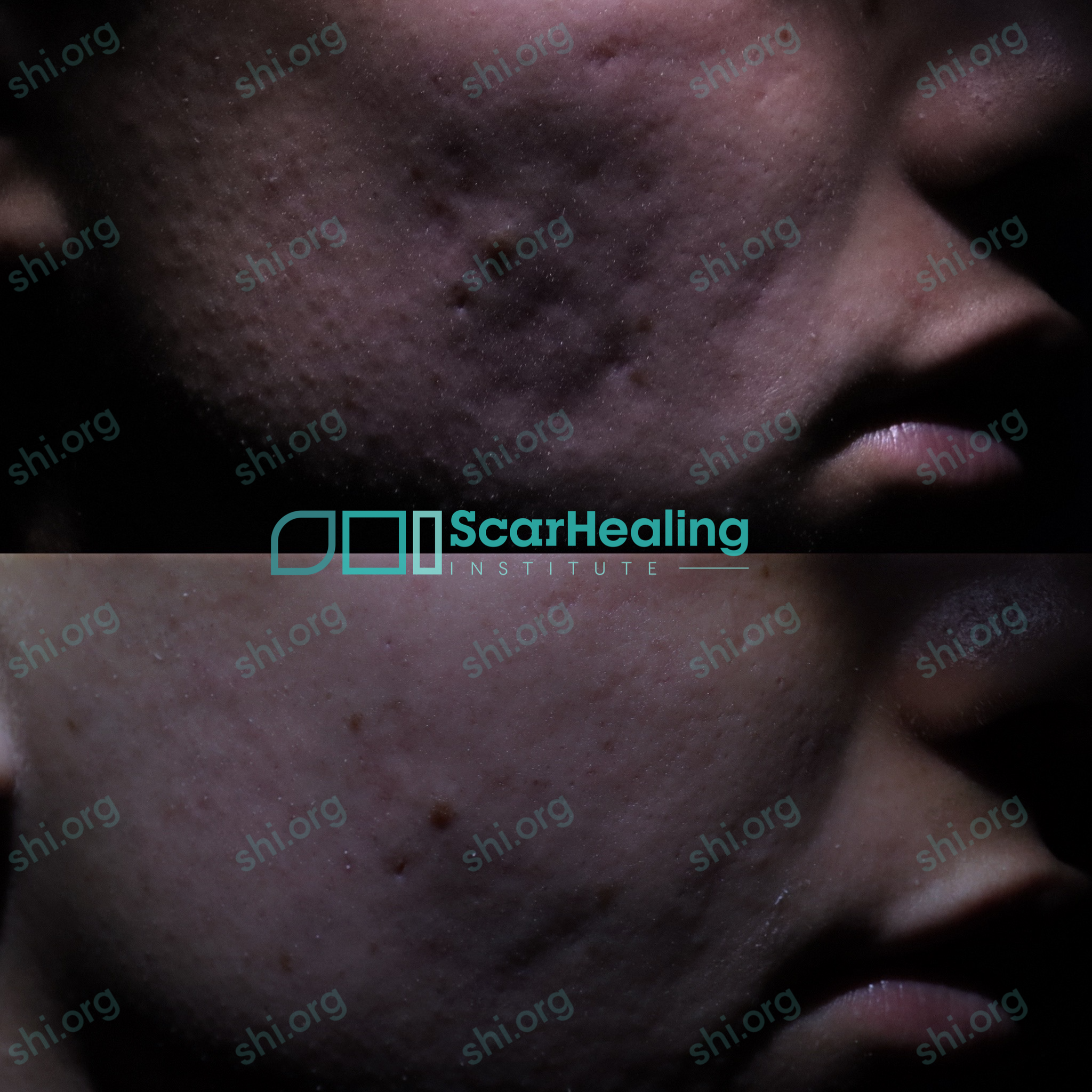
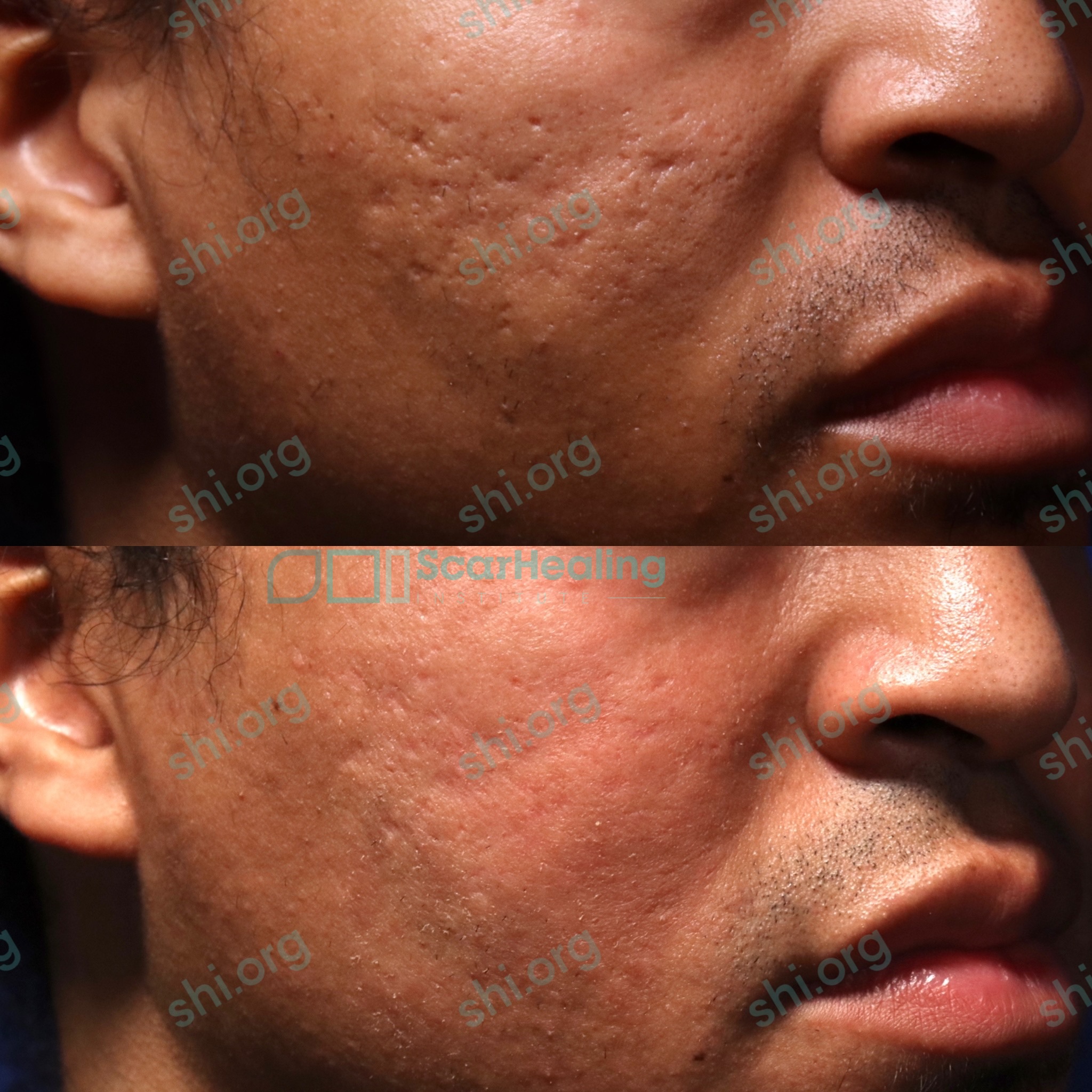
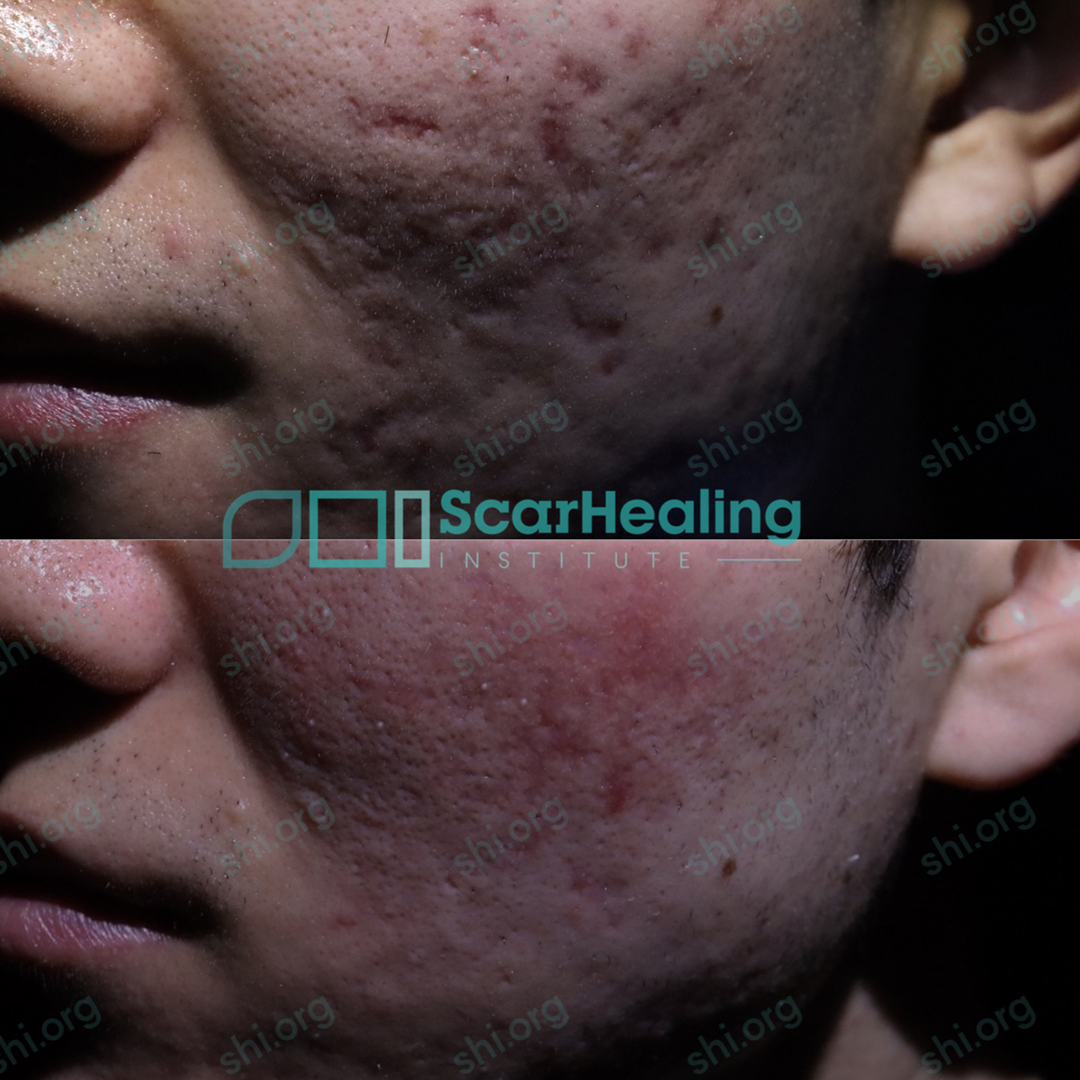

Scars That May Respond Well to Dermabrasion
Dermabrasion is best for scars that create visible texture or unevenness on the skin’s surface.
Dr. Hazany will evaluate your scar type, depth, and skin tone to determine whether resurfacing is the right fit for you.
Dermabrasion can soften certain depressed acne scars by resurfacing uneven skin and blending scar edges more smoothly with the surrounding area.
Scars from surgery, injuries, or other skin trauma may respond well to dermabrasion when surface irregularities or uneven texture make them more noticeable.
When rolling scars create broad, shallow depressions with sloping edges, dermabrasion can smooth the skin’s surface and create a more even texture.
Boxcar scars are wider depressions with defined edges. Dermabrasion can soften those edges and create a more even-looking skin texture.
Hear From Our Patients
How Much Does Dermabrasion Cost in Los Angeles?
The cost of dermabrasion depends on the size and depth of your scars, the area being treated, and whether dermabrasion is combined with other scar treatments.
During your consultation, we’ll evaluate your skin, build your personalized treatment plan, and give you a clear quote before moving forward.
To make your treatment more accessible, we also offer a range of flexible financing plans.
The Role of Dermabrasion in the Acne Scar Phase-Out System
Dermabrasion isn’t automatically included in every acne scar plan; Dr. Hazany will decide whether you’re a good candidate based on your scar type, depth, texture, and skin tone.
Here’s what you can expect from our Acne Scar Phase-Our System:
- SHI SCAN: We examine your scars closely with ultrasound and dermoscopy to understand what’s happening above and beneath the skin’s surface.
- SHI CROSS: A targeted chemical treatment stimulates collagen within deeper, narrow acne scars and helps remodel them from the top down.
- SHI STIM: Biostimulatory injections encourage your skin to produce collagen where additional support may improve depressed scars.
- SHI LIFT: Multi-layer subcision releases tethered scars beneath the skin so depressed areas can lift and appear smoother.
- SHI LASE: Laser resurfacing can fine-tune remaining texture and improve the overall appearance of the treated skin.
- Dermabrasion, When Appropriate: Dr. Hazany may recommend dermabrasion to further soften scar edges and improve uneven surface texture, using poly-L-lactic acid (Sculptra) to create a thicker foundation of collagen before treatment.
Dermabrasion may be right for your scar if:
- Your scars have visible surface irregularities or uneven texture.
- Your acne scars are depressed and may look less visible with softened, blended edges.
- You have deeper tethered scars that have already been addressed or need another treatment first.
- Dr. Hazany determines dermabrasion offers an advantage over (or works well when paired with) options like subcision, CROSS, or laser treatment.
Dermabrasion may not be a good fit for you if you have:
- Taken isotretinoin for acne in the past year
- A history of keloids or burn scars
- Active acne
- Frequent cold sores
- Radiation-damaged skin
Let’s talk about whether dermabrasion may be the right fit for your scars.
How Long Does Dermabrasion Take to Heal?
Here’s what you can expect as your skin heals after your dermabrasion treatment:
- First few days: Redness, swelling, tenderness, and crusting are common as your skin begins forming a new surface.You’ll sleep with your head elevated for three weeks following the procedure.
- First 1–2 weeks: The treated skin continues healing, with itching, sensitivity, and blotchiness possible as fresh skin develops.
- Following weeks: Redness and sensitivity gradually improve, and you may be able to return to more of your normal skincare routine as directed.
- Up to 3 months: Redness may persist for 6-12 weeks, but continues to fade as your skin settles and the treated area becomes more even in appearance.
- 6–12 months: Your skin tone continues to even out as lingering redness or discoloration gradually fades.
We’ll provide you with clear aftercare instructions to help you protect your healing skin and reduce the risk of irritation, discoloration, or delayed recovery. We may recommend that you:
- Keep the treated area clean, moisturized, and protected with any dressings or ointments we recommend.
- Use vinegar soaks if directed to gently manage crusting and keep the area clean.
- Protect your skin from direct sun exposure and wear SPF 30 or higher once Dr. Hazany says it’s appropriate.
- Avoid smoking and alcohol during the early healing period.
- Avoid strenuous exercise, heavy lifting, and bending until you’re cleared to resume them.
- Stay out of chlorinated pools for at least four weeks.
- Avoid contact or ball sports for roughly four to six weeks.
- Avoid using retinoids, harsh acids, or other irritating skincare products until your skin is ready.

Areas We Serve Throughout California
Dermabrasion Questions Los Angeles Patients Ask
SCAR HEALING & MANAGEMENT CENTER LOS ANGELES
Start Your Personalized Dermabrasion Plan
You don’t have to keep covering your scars.
At the Scar Healing Institute, we use dermabrasion and advanced scar revision techniques to smooth uneven texture, soften visible scars, and help you feel more confident in your skin.
Start with a plan built around your scar, your skin, and your healing goals.