
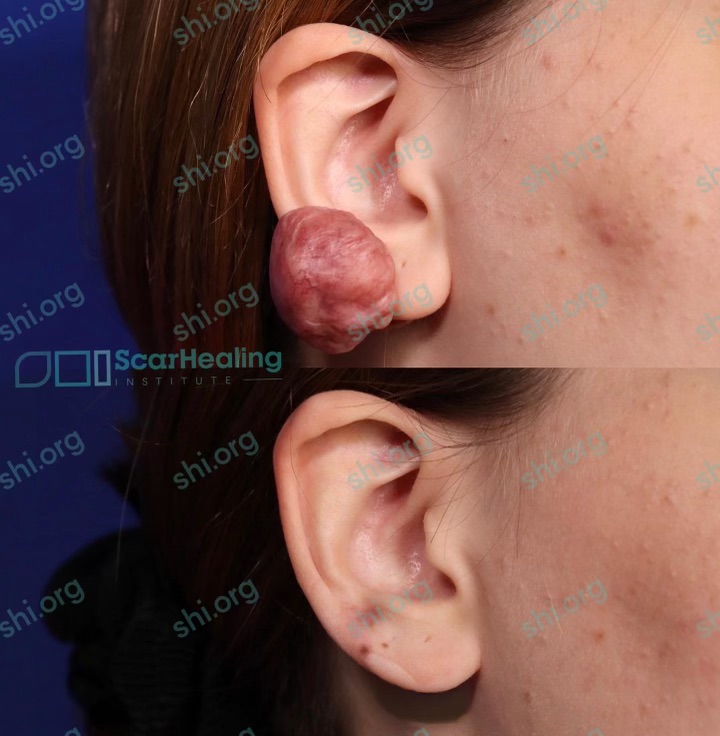
 Before
After
- Age
- 18-25
- Treatment Duration
- 8 Months
Procedure(s): Anti-Inflammatory Injections, Surgical Excision
 Before
After
- Age
- 18-25
- Treatment Duration
- 4 Months
Procedure(s): Anti-Inflammatory Injections, Nd:YAG Laser, KTP StarWalker Laser
 Before
After
- Age
- 56-65
- Treatment Duration
- 3 Months
Procedure(s): Anti-Inflammatory Injections + Nd:YAG Redness Laser
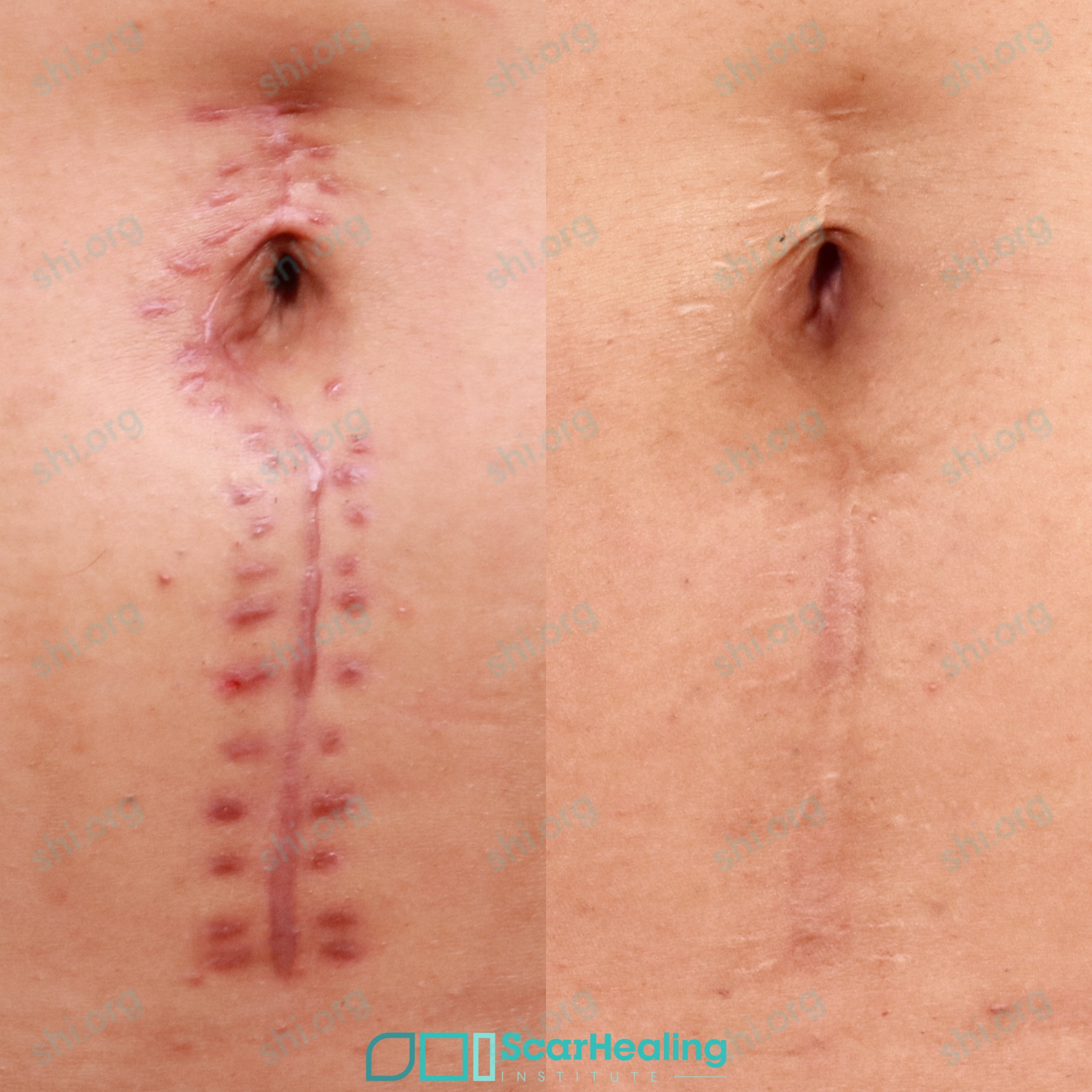 Before
After
- Age
- 18-25
- Treatment Duration
- 3 visits over 6 months
Procedure(s): Laser
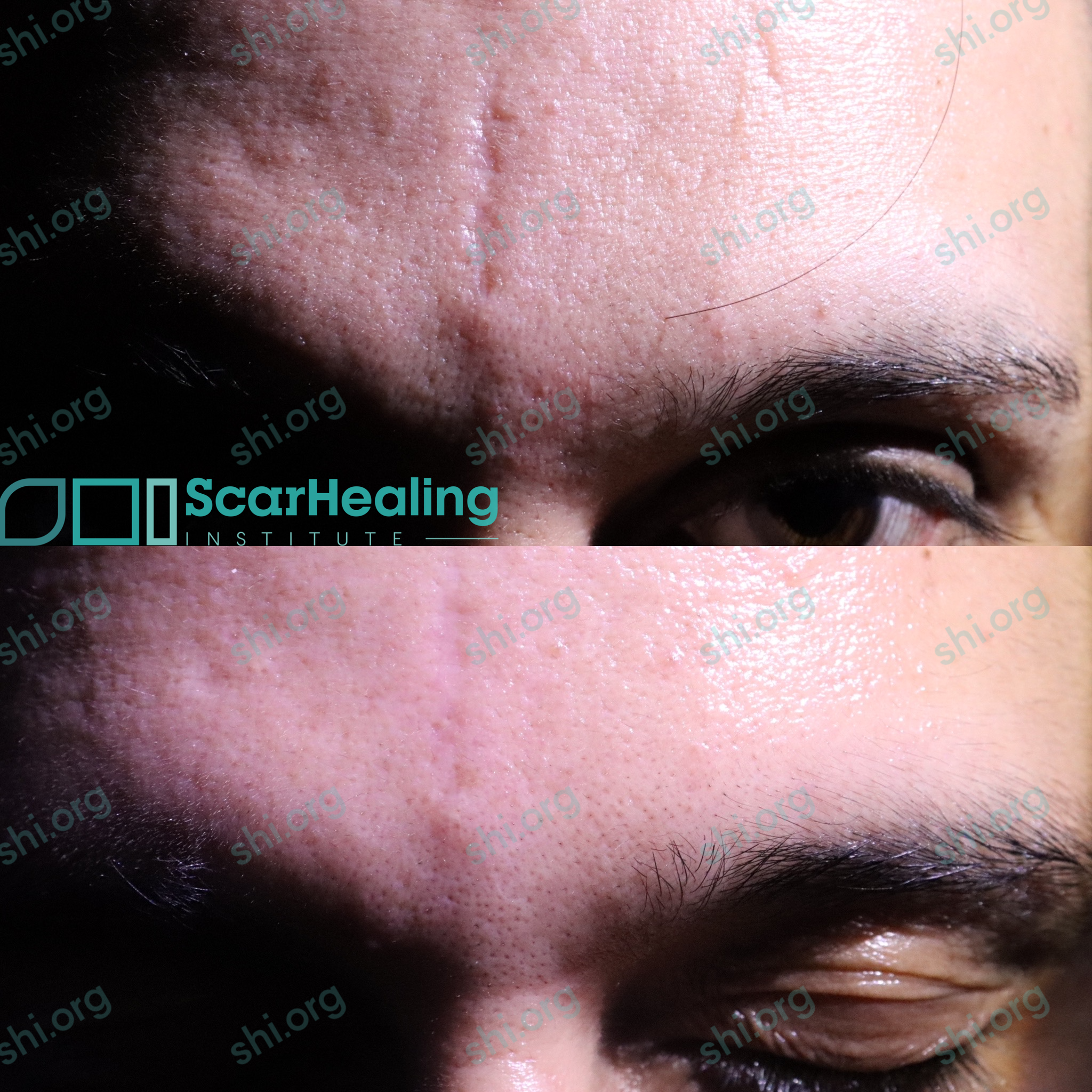 Before
After
- Age
- 33-39
- Treatment Duration
- 4 Months
Procedure(s): Subcision, CROSS
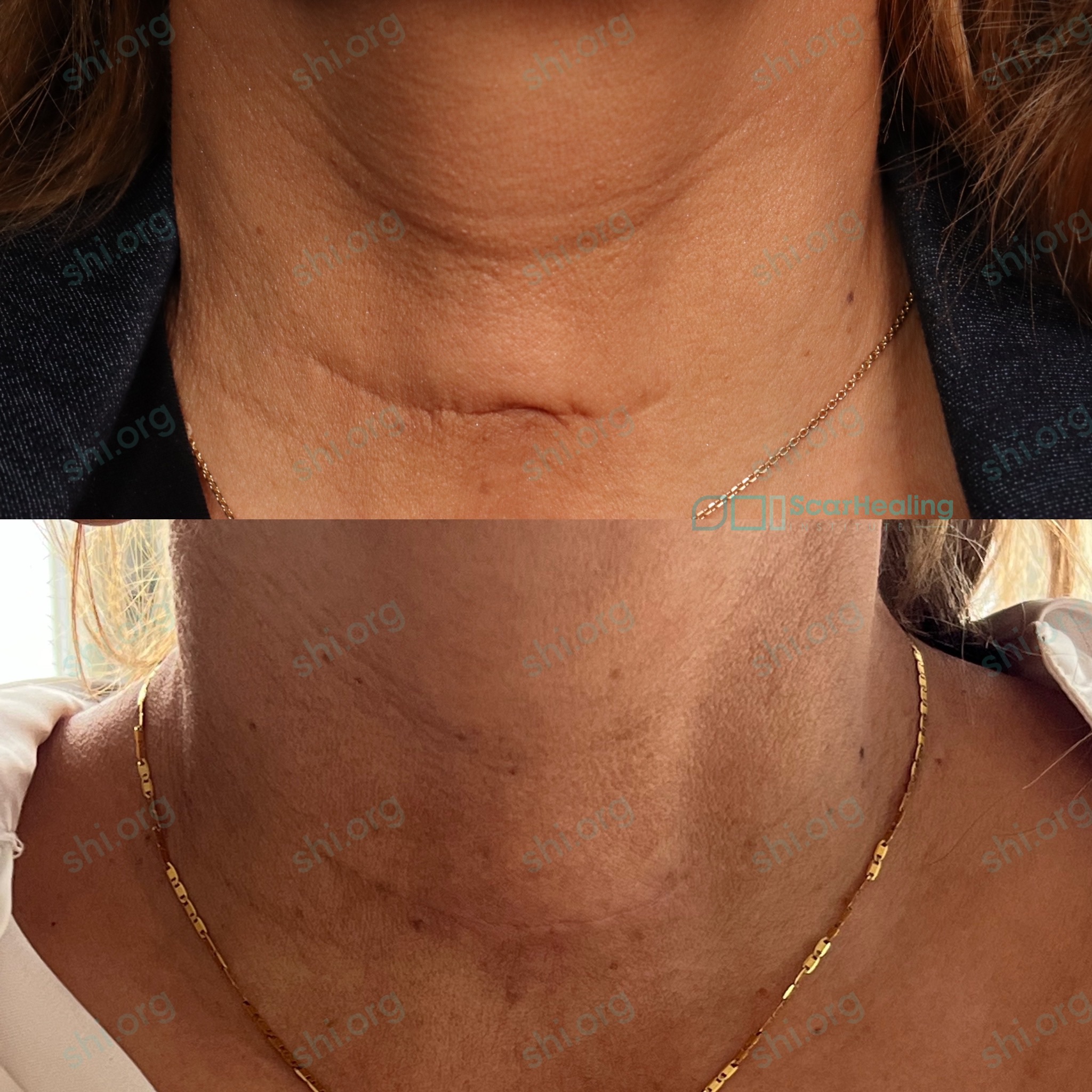 Before
After
- Age
- 40-55
- Treatment Duration
- 1 Month
Procedure(s): Subcision
As a physician, i’ve had many patients that have benefited from treatment with Dr. Hazany and his world class team. They have always been extremely professional, kind, caring, and accommodating. Their work has been amazing, and I am lucky to have them as a referral partner!
Daniel M 
I had such an amazing experience getting treatment for my breast scars and tummy scars here! From the moment I walked in, everyone was so kind and welcoming.
Dr. Hazany is incredibly chill and made me feel comfortable right away. PA Sarah is the sweetest and so caring throughout the whole process. The front desk is warm and helpful, and the medical assistants are super knowledgeable and attentive.
Claire W Dr. Hazany is incredibly chill and made me feel comfortable right away. PA Sarah is the sweetest and so caring throughout the whole process. The front desk is warm and helpful, and the medical assistants are super knowledgeable and attentive.
My grandma had her MOHs surgery done on her nose here and flew from Peru because they are the best of the best. Not only is the care thorough and thoughtful, but Hazany truly is an artist when it comes to the skin. You cannot see any scarring now that it has completely healed, and the results are superb. I highly recommend them for any scarring or dermatology needs - you will not be disappointed and they genuinely care for their patients!
Emma B
I’m genuinely very grateful for my experience at Scar Healing Institute. I came in with an indented nasal tip scar that I had lived with for a long time, and the improvement after subcision has been remarkable. The contour of my nose looks smoother and more even, and the scar is far less noticeable than before. This procedure truly gave me my life back.
Rebecca J
Doctor Hazany and his team are amazing! They really took their time to understand my concerns about my scar and carefully evaluated everything. I appreciated how transparent they were about the treatment plan and costs. The consultation was thorough, and they explained each step clearly, so I always felt informed and confident moving forward.
Ned E